
A Green Thumb Odyssey
Houseplants—those charming little green companions that promise to bring life and serenity into your home. They seem so simple, sitting there in their little pots, radiating calm vibes. But in reality, keeping houseplants alive can feel like navigating a never-ending labyrinth of light levels, watering schedules, and mysterious brown spots. Before you know it, you’re frantically Googling things like “can plants die from too much love?” Fear not, aspiring plant parent! This guide is here to help you navigate the highs and lows of houseplant parenting without the tears (yours or the plants’).

Plant Personalities: Finding Your Perfect Match
First things first: not all plants are created equal, and neither are plant parents. Are you the type who needs constant feedback and attention? Or do you prefer to let things unfold with a more laissez-faire approach? Matching your plant’s needs with your lifestyle is key. If you’re a set-it-and-forget-it kind of person, you’ll want to go for hardy, low-maintenance plants like the snake plant or pothos, which thrive on neglect and somehow look better when you ignore them.
On the other hand, if you thrive on doting and delight in a bit of a challenge, go for the drama queens of the plant world, like the fiddle leaf fig or the maidenhair fern. These plants will keep you on your toes, and in return, they promise lush, Instagram-worthy foliage (or they’ll throw a hissy fit at the slightest inconvenience—it’s a gamble).
Understanding Plant Love Languages: Light, Water, and Nutrients
Plants are not just green lumps of chlorophyll—they have feelings too, and they communicate in their own way. Learning to read your plant’s love language is like decoding secret messages from an alien civilization. Is your plant’s soil soggy and sad? It’s trying to tell you it’s drowning in your affection (or, more accurately, your overenthusiastic watering). Are the leaves turning crispy and brown? That’s a cry for help—probably more water, or maybe just a touch of indirect sunlight to remind it that life isn’t so bad.
Light is like the WiFi of the plant world: essential, but tricky. Too much direct sunlight and your plant will scorch faster than your thighs on a hot leather car seat. Too little, and it’ll start looking like that one pale, under-caffeinated office worker who never leaves their cubicle. The trick is to experiment—move your plants around, try different windows, and see where they thrive. And remember, sometimes even the best plant parents need a bit of trial and error.
Zen Gardening: Embrace the Imperfections
Here’s the secret that the #PlantMom influencers on Instagram don’t want you to know: plants, like people, are not perfect. They might get a few brown spots, drop a leaf here and there, or sulk in a dark corner because they’re dramatic like that. It’s all part of the process. Gardening should be a source of peace, not stress. So what if your spider plant looks more like a disheveled mess than the lush, flowing specimen you envisioned? Embrace the imperfection—it’s a metaphor for life, after all.
Instead of striving for perfection, strive for connection. Spend time with your plants, talk to them (they won’t judge your rambling), and enjoy the moments of quiet care. Think of plant care as a meditative practice: it’s not about doing everything right, it’s about being present. And if your plant dies? Well, consider it a noble sacrifice in your ongoing education in the art of plant parenting. Even the most seasoned plant enthusiasts have a little plant cemetery somewhere—they just don’t show that part on Instagram.
Creating Your Plant Sanctuary: A Green Oasis at Home
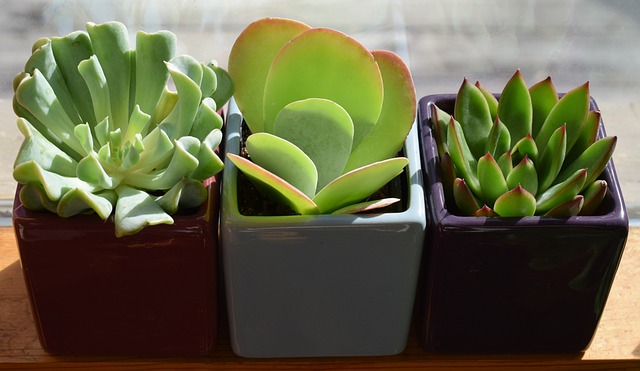
Now that you’ve got a handle on your plant’s needs, it’s time to get creative. Your home is more than just a place to store your stuff; it can be a sanctuary, a jungle, or a serene oasis—all thanks to a few strategically placed plants. Group your plants in clusters for a fuller, more lush look, and mix sizes and shapes to create visual interest. A big, leafy monstera can be the statement piece, while smaller succulents or air plants can add variety and texture.
For those with limited space, think vertically. Wall-mounted planters, hanging baskets, and shelf displays can help you build your indoor jungle without taking up precious floor space. And don’t be afraid to get weird with it—think plant stands made from thrift store finds, quirky pots that reflect your personality, or even a plant chandelier if you’re feeling especially bold. Your plant sanctuary should be a reflection of you—messy, eclectic, and wonderfully imperfect.
Growing Together
Houseplants are more than just decor—they’re companions that can teach us patience, resilience, and the joy of nurturing life. They remind us that growth isn’t always linear, that a little care goes a long way, and that sometimes, despite our best efforts, things don’t always go according to plan. But that’s okay. In the world of houseplant parenting, every new leaf is a victory, every bloom is a celebration, and every wilted leaf is a chance to learn. So go ahead, embrace the green chaos, and let your plant-parenting journey bring a touch of zen (and maybe a little jungle) into your daily life.